Incorporating precision honing into a manufacturing process is an important decision that requires a careful evaluation of upstream operations. While honing is often associated with achieving tighter tolerances and superior surface finishes, manufacturers first need to determine whether the process is truly necessary based on their existing machining capabilities and final part requirements.
In many cases, honing is specifically called out on a part drawing. However, even when it is not explicitly required, manufacturers should still evaluate whether their current processes can consistently meet the dimensional, geometric, and surface finish specifications demanded by the application.
Understanding the Role of Honing
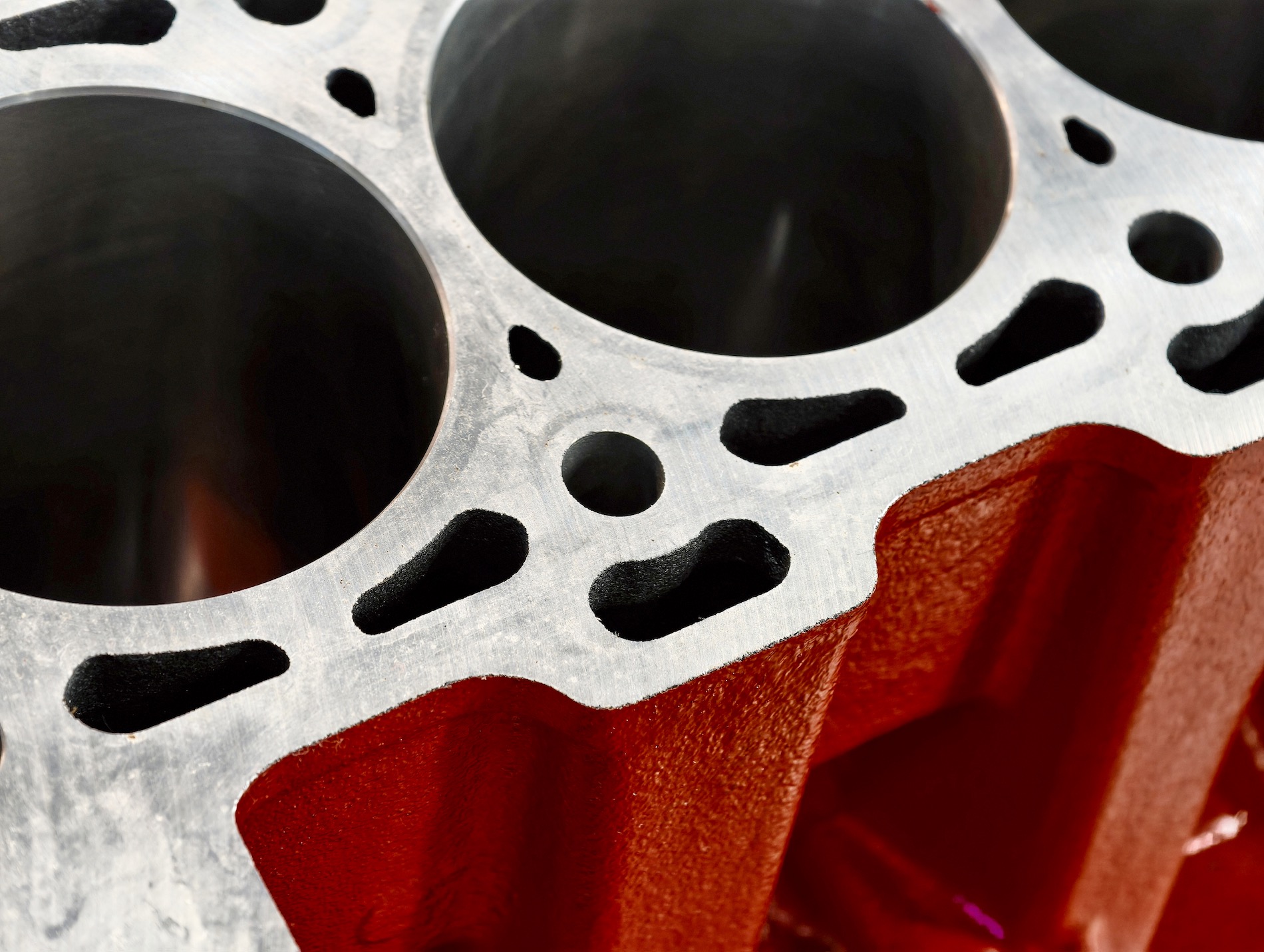
Honing is a precision finishing process used to improve bore size accuracy, surface finish, and geometry. It is commonly applied in industries where bore performance directly affects component reliability and service life, such as hydraulic systems, fuel systems, bearings, and precision motion applications.
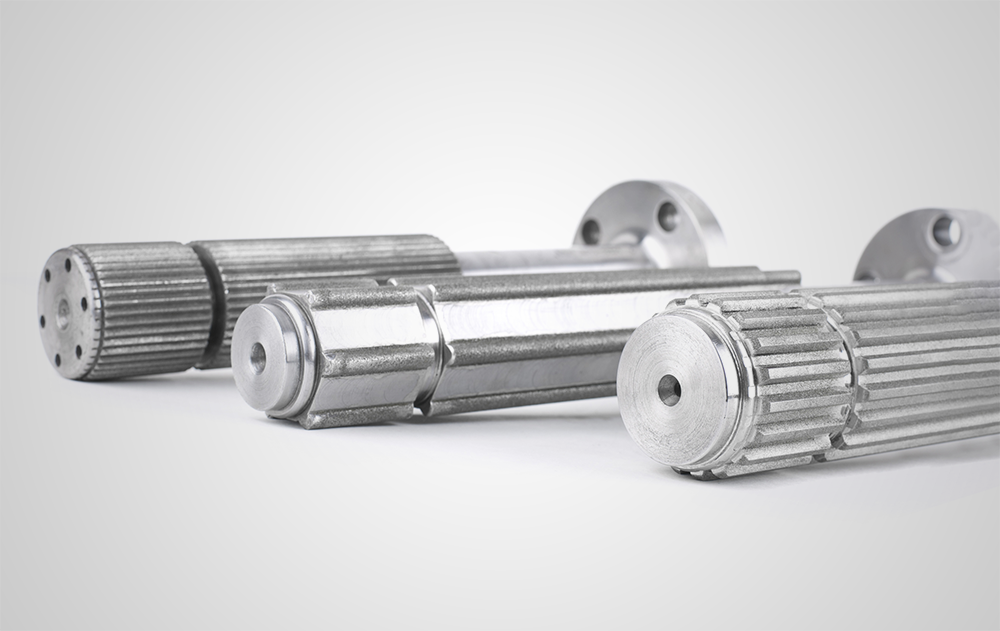
At Accu-Cut, honing-related tooling solutions support applications including:
Manufacturers evaluating these types of components should determine whether current machining operations can repeatedly achieve the required:
- Bore size tolerances
- Surface texture requirements
- Roundness
- Straightness
- Cylindricity
If upstream machining processes cannot consistently maintain these characteristics, honing may become necessary to achieve acceptable process capability and part quality.
Evaluating Upstream Manufacturing Processes
Because honing is a finishing operation, manufacturers must first understand the true capability of their existing production methods before adding another process step.
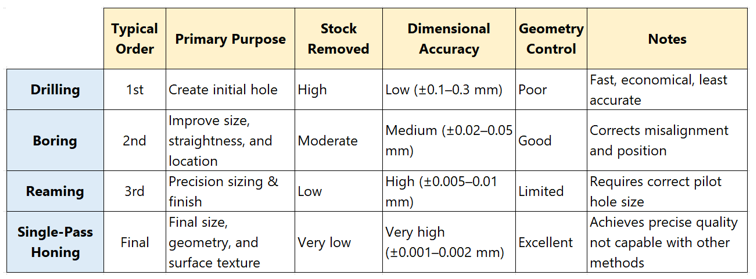
This means evaluating how operations such as drilling, boring, reaming, grinding, or hard turning affect final bore quality. Manufacturers should compare actual process output against drawing requirements to identify any performance gaps.
For example, some bore finishing applications may benefit from specialized tooling solutions such as:
Understanding where variation originates within the manufacturing process helps determine whether honing is the most efficient and cost-effective solution.
Honing After Heat Treatment and Surface Hardening
It is common for honing to occur after heat treatment or surface hardening operations such as nitriding. These processes frequently alter the physical characteristics of a bore, often causing distortion, shrinkage, or changes in geometry.
In these cases, honing is used to restore the bore to acceptable quality tolerances after hardening is complete.
Manufacturers should carefully evaluate:
- How much the bore changes during hardening
- Whether distortion is predictable
- The depth of surface hardness penetration
- Material removal requirements
- Final surface finish expectations
These factors directly influence honing tool selection and process development.
Accu-Cut also supports manufacturers with integrated process solutions through its Diamond Bore Sizing Systems and Diamond Hard Broaching Systems for high-precision bore finishing applications.
The Part Ultimately Determines the Need for Honing
Ultimately, the part itself determines whether honing is necessary.
If upstream processes can already maintain the required tolerances, surface finish, and bore geometry consistently, honing may not provide enough additional value to justify the process. However, when production variation, hardening distortion, or finish requirements exceed the capabilities of conventional machining, diamond honing becomes an effective way to restore process control and improve final part quality.
While honing adds another manufacturing step, the per-piece cost is often minimal compared to the long-term benefits, including:
- Improved component performance
- Increased tool and part life
- Better sealing characteristics
- Reduced scrap rates
- Improved process capability
- Greater customer satisfaction
For manufacturers producing precision bore components, honing can play a critical role in achieving reliable, repeatable quality across production volumes.